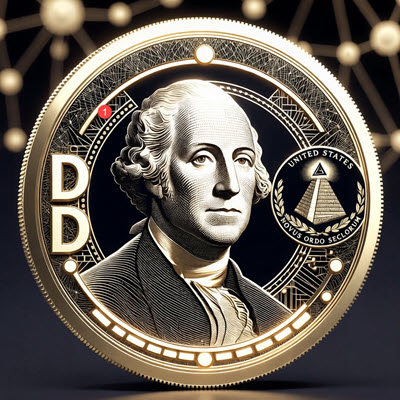
The infrastructure that supports the US dollar is not just a national asset but a global public good. In order to meaningful test the risks and benefits of very digital monetary innovations, the Digital Dollar Project focuses on real world testing to gathering empirical evidence to inform and support the policy and technology decisions that must be made by the public and private sector. The initiative convenes key subject matter experts and private sector stakeholders to further advance education and understanding across the financial ecosystem and inform emerging standards and policies for a CBDCs and other digital assets.
The Digital Dollar Project is dedicated to upholding privacy protections in an increasingly digital economy and believes that the U.S. is in a unique position to shape the development of international standards for digital money networks, including CBDCs. These standards could proactively safeguard democratic values such as freedom of speech and the right to privacy.
The Digital Dollar Project firmly believes that privacy is a fundamental human right. The advent of the digital age has introduced new challenges, sparking discussions around online privacy, data protection, and the delicate equilibrium between individual rights and national security. The rise of digital commerce and the exponential increase in digital footprints have prompted a reevaluation of what constitutes private information. The Digital Dollar Project recognizes that this era of innovation presents a unique opportunity to reassess privacy standards, aiming to surpass the norms established in a data-driven economy.
The Digital Dollar Project’s Risk Working Group was established to begin evaluating these risks, opportunities, and proposed mitigants. This year the working group released the first in a series of risk- and privacy- focused working papers, “Secure Adoption of a Digital Dollar – Operational and Compliance Risks for the U.S. Banking Sector,” a working group paper offering a unified risk framework outlining possible impacts on the private sector, specific to federal and state-chartered banks, in consideration of a potential U.S. central bank digital currency (CBDC).
CBDCs, with their promise and potential, symbolize a broader shift—a movement towards a more efficient, seamless digital infrastructure, shaping the future of international trade, cross-border payments, and global financial integration. However, with transformative potential comes inherent complexity. As fiat currencies become increasingly intertwined with technology, significant implications for privacy, human rights, cybersecurity, digital financial inclusion, and the movement of money across borders for international trade, aid, investment, and other payments arise. If designed without a common framework of standards and collaboration, a shortsighted and fragmented approach to CBDC development could result in the emergence of isolated systems.
The Digital Dollar Project is dedicated to spearheading principle-driven research and fostering in-depth public discourse on the future of digital monetary innovations. In line with our mission, last year we hosted a first-of-its-kind convening of international policymakers, technologists, financial service providers, innovators, and advocates for consumer and privacy rights.
Watch 2023 Coverage